
Exploring the Possibility of Humans Living on Other Planets

Mirko Viviano
|
Have you ever gazed up at the night sky and wondered if humans could ever call another planet home? The idea of inhabiting another world is both fascinating and complex, filled with scientific challenges and incredible possibilities. As educators and parents, we can inspire the next generation to explore these intriguing topics through fun, space-themed activities.
Why Mars is a Contender
Mars is often the first planet that comes to mind when we talk about human colonization. This red planet shares some similarities with Earth, such as day length and the presence of ice water, which makes it a primary candidate for future human life. Unlike Earth, Mars has a thin atmosphere, primarily composed of carbon dioxide—something humans couldn't breathe naturally. Life on Mars would require innovative technologies and habitats to overcome these challenges.
Venus: A Tough Environment
While Venus is similar in size and composition to Earth, its extreme conditions make it a less likely option for human habitation. With temperatures hot enough to melt lead, a runaway greenhouse effect, and clouds of sulfuric acid, surviving on Venus would be exceptionally difficult without advanced technology to shield us from its harsh environment. However, studying Venus can help us understand more about climate science and planetary atmospheres.
Could We Live on a Moon?
Some scientists are considering moons of the gas giants—like Jupiter's Ganymede or Saturn's Titan—as potential candidates for human life. These moons may have subsurface oceans and organic materials, providing a basis for future habitability. While these celestial bodies require further exploration, they open exciting possibilities for space missions and scientific discovery.
Space-Themed Activities for Children
Engaging children with exciting activities can spark their interest in STEM fields. Here are some fun ideas to bring space exploration into your classroom or home:
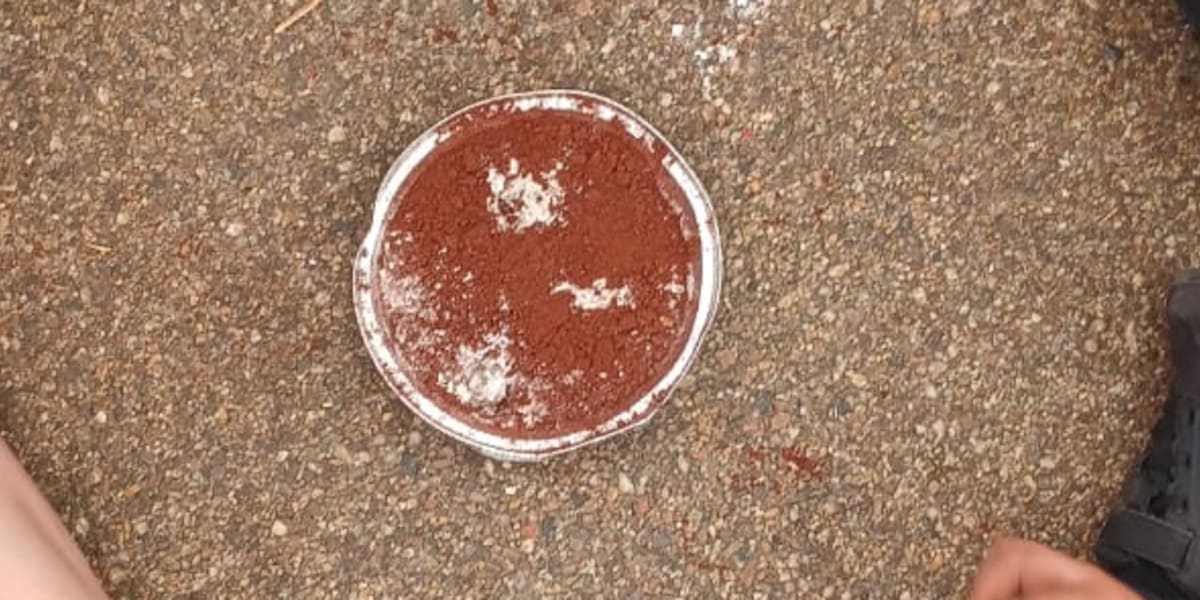
- Create a mini Martian ecosystem using red sand, small plants, and pebbles. Discuss how life might adapt to Mars' unique environment.
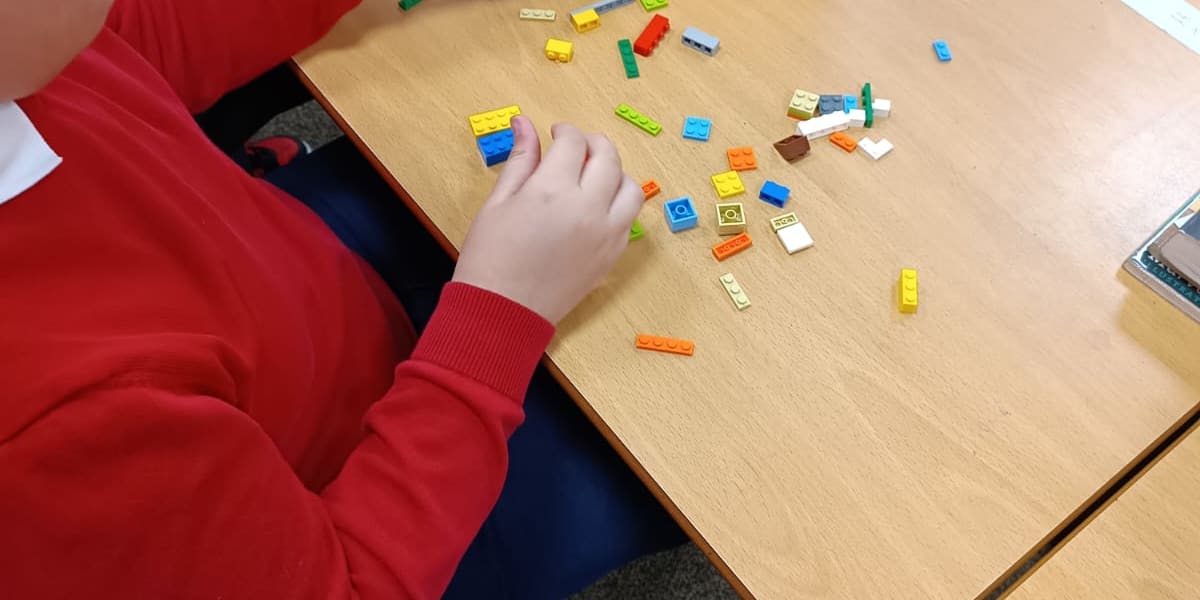
- Design model space habitats using recyclable materials. Challenge students to think about how to generate air, grow food, and manage waste.
- Simulate a Venusian cloud layer using jars, water, shaving cream, and coloured liquid to understand Venus' atmosphere.
- Watch online simulations or documentaries together that explore the planets and their environments.
Be Part of the Space Adventure
As we continue to push the boundaries of human exploration, the role of educators and curious minds becomes increasingly vital. At Louno Space, we offer interactive space clubs and activities designed to ignite curiosity and inspire the next generation of space explorers. Join our mission to provide inclusive STEM opportunities and support teachers with hands-on science education!